
Making health care affordable in Africa
Date de publication :
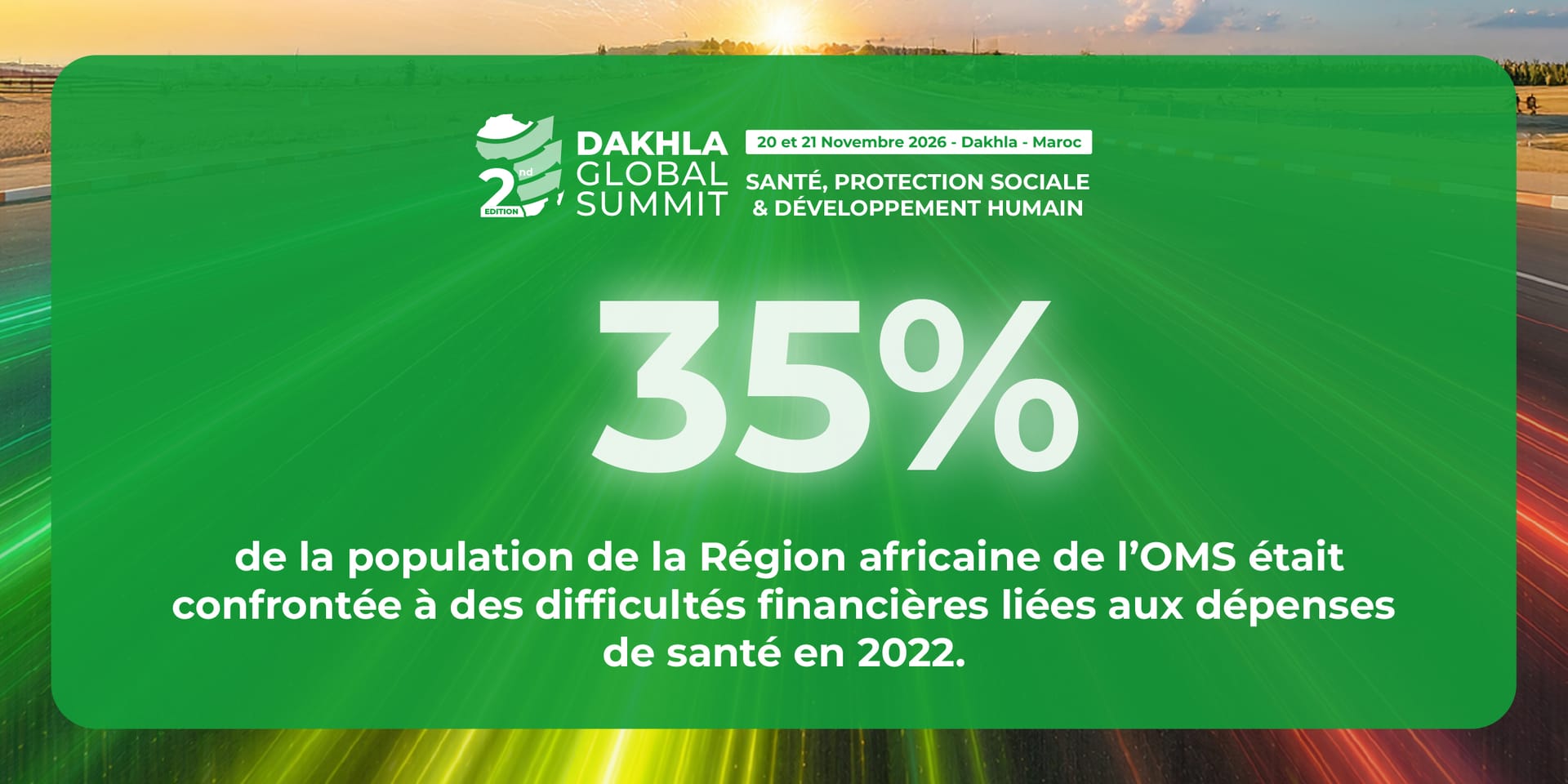
In 2022, 35% of people in the WHO African Region faced financial hardship from health expenses they paid out of pocket, down from 37.7% in 2015. Over a slightly different period, the region’s essential health service coverage index rose from 47 to 51 out of 100 between 2015 and 2023. The two trends frame a question for the Dakhla Global Summit on 20 and 21 November. How can countries expand access to essential services while protecting more households from the cost of using them?
For a patient managing a chronic illness, affordability depends on what happens across the whole course of care. A consultation may be covered, while the tests or medicines prescribed during that visit still have to be paid for directly. Even when a medicine is covered, a stockout at a public facility can send a patient to a private pharmacy. Decisions about which services to cover therefore go hand in hand with decisions about where those services are available and what patients will pay when they use them.
Friday’s ministerial roundtable will examine how universal health coverage can reconcile equity, quality and financial sustainability. On Saturday, the session on health and social protection models will take up the question of sustainable financing and household protection. For low-income households, the design choices are practical. Who qualifies for subsidised care? How do eligible families enrol? Which costs are covered when someone needs treatment? For governments, the challenge is to raise and pool enough funding to keep that coverage reliable over time.
Morocco in focus. The same WHO–World Bank report puts Morocco’s essential health service coverage index at 65 out of 100 in 2023. The score summarises coverage across a set of essential services, including maternal and child health, infectious diseases and noncommunicable diseases.