
What should countries measure when they invest in health?
Date de publication :
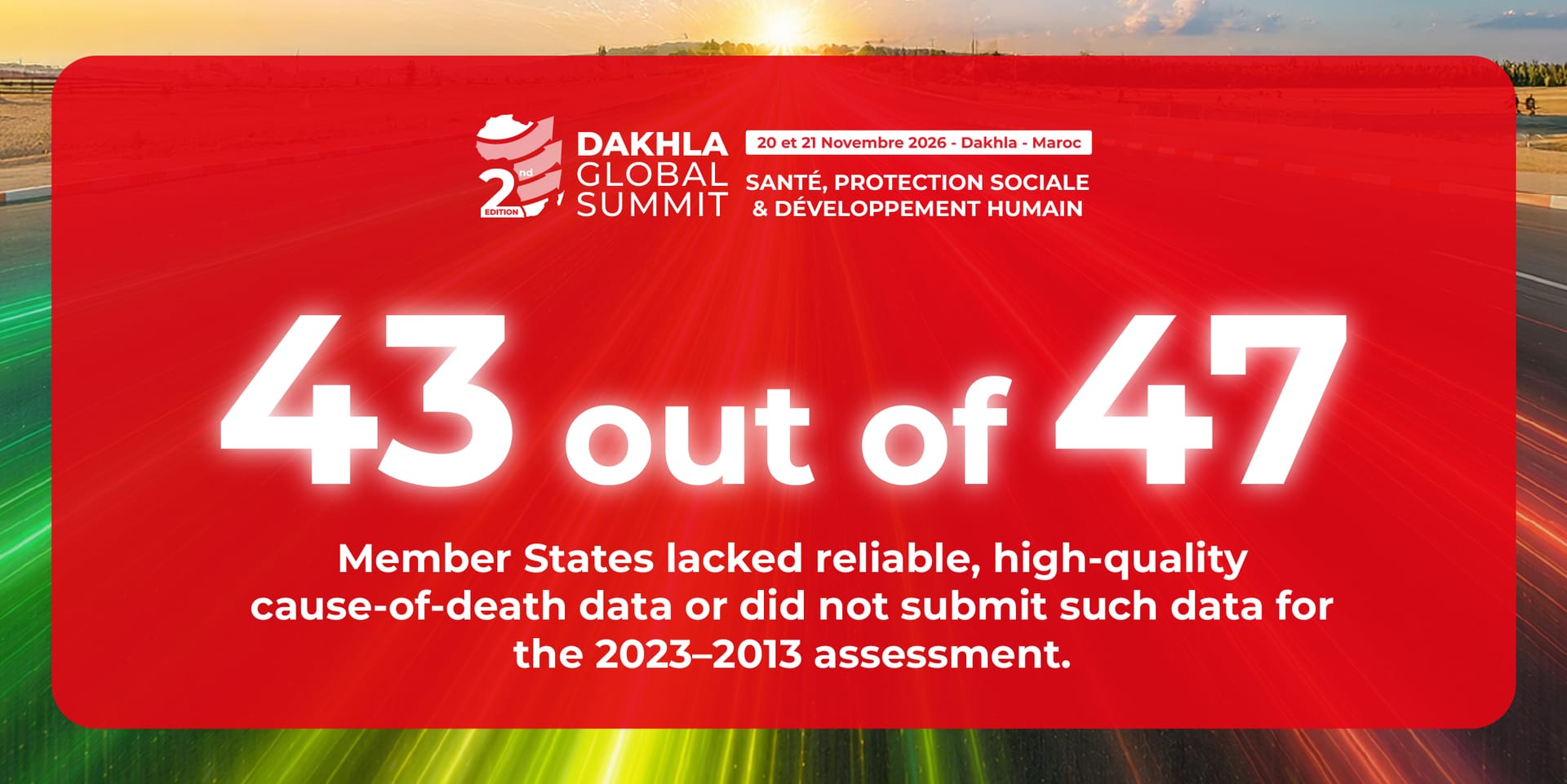
Of the 47 Member States in the WHO African Region, 43 reported very low-quality cause-of-death registration data to WHO or provided none for its 2013–2023 assessment. When a death goes unrecorded or its cause is unclear, health authorities have less evidence about which conditions are taking the greatest toll, where the burden is concentrated and which services need investment.
Consider a decision about emergency obstetric care. A government may know how many maternity units received funding and how many staff were trained. To decide where to invest next, it also needs to know whether more patients reached care in time, whether referral delays fell and whether fewer women died. A spending figure shows what was allocated. Service and outcome data help show what changed for patients.
Those questions apply across the health system. Spending data can show whether funds reached primary care facilities. Service data can show which communities those facilities reached. Household surveys can show what patients still paid for medicines and treatment. Reliable death registration adds evidence about which causes of death are becoming more or less common over time. Each measure answers a different question about where investment is needed and what it achieves.
On 21 November, the Health Investment Index scientific committee is scheduled to meet in Dakhla to review the proposed methodology and indicators, examine data sources and scientific governance, and discuss the launch and publication timetable. The broader question for the summit is what countries should track alongside spending so they can judge whether investment is improving access, protecting household budgets and delivering better health outcomes.