
Who ensures continuity of care when external aid declines?
Date de publication :
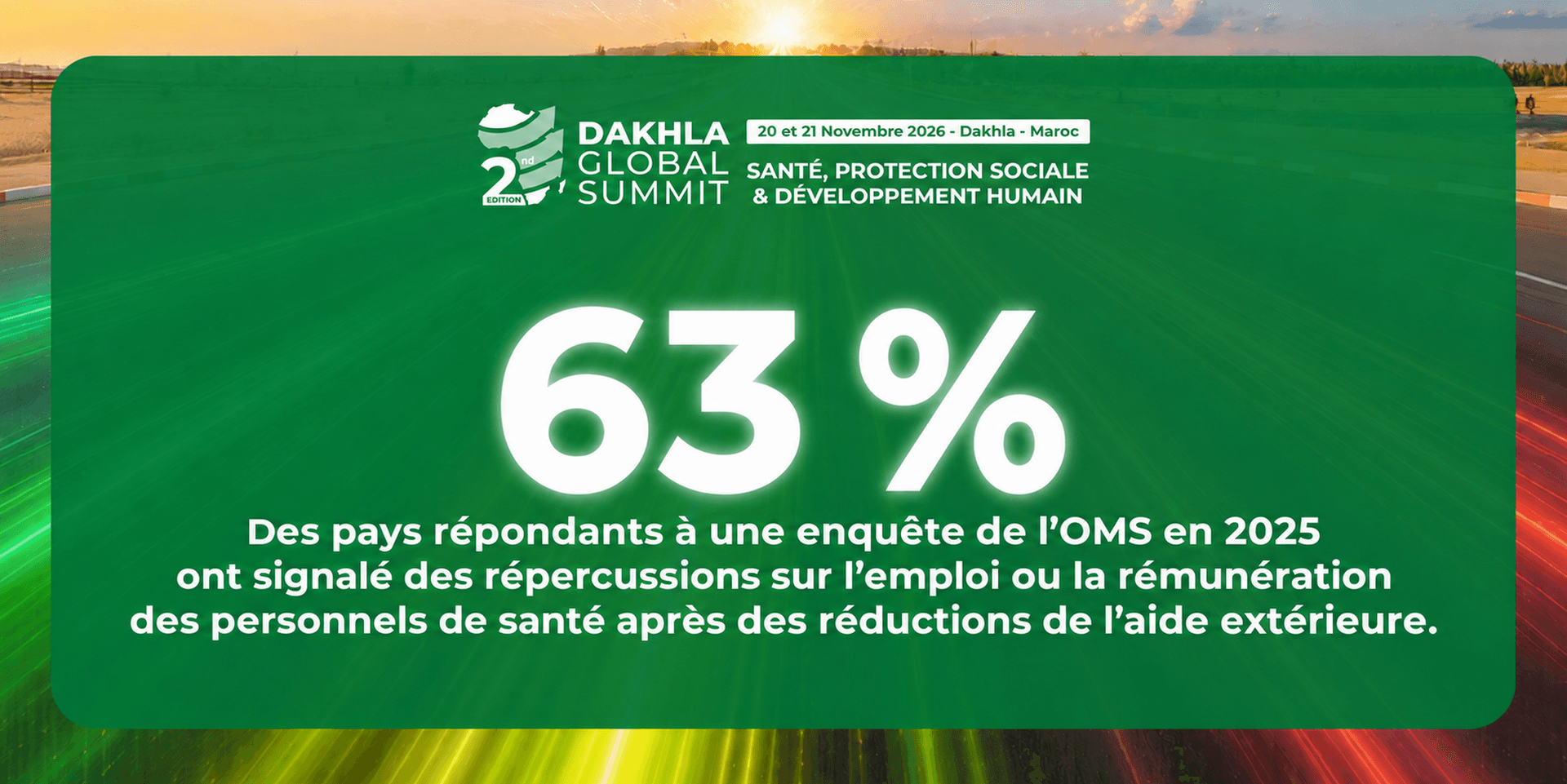
In a 2025 WHO assessment covering 108 countries, 63% of responding countries reported job-related impacts on health and care workers after reductions in external health aid. These included job losses, temporary leave, suspended salaries and reduced pay. The findings show how a funding decision can affect the people who keep clinics, outreach programmes and essential services running.
Community health workers, doctors, nurses and midwives were among the groups most frequently affected. The consequences extend beyond staffing levels. When an outreach team loses funding, a community can lose its regular point of contact with the health system. When a facility has fewer staff, it can become harder to maintain routine consultations, follow-up visits and referrals. WHO’s assessment also recorded disruptions in services such as outbreak detection and response, family planning, and maternal and child health.
The immediate question for governments is which services and staff need funding first to avoid interruptions in care. The longer-term question is how to finance those services reliably. The answer will depend in part on what external funding has been paying for in each country, from salaries and training to medical supplies and the day-to-day costs of delivering care.
The Dakhla Global Summit will take up those questions through its opening keynote on health sovereignty, Friday’s discussion on health and social protection as an investment priority, and Saturday’s session on sustainable financing. For delegates, the practical issue is how to protect continuity of care through a funding shock while building a more stable base for the workforce that delivers it.